Comparing the Best Smart TVs in 2026: A Complete Buyer's Guide
Introduction
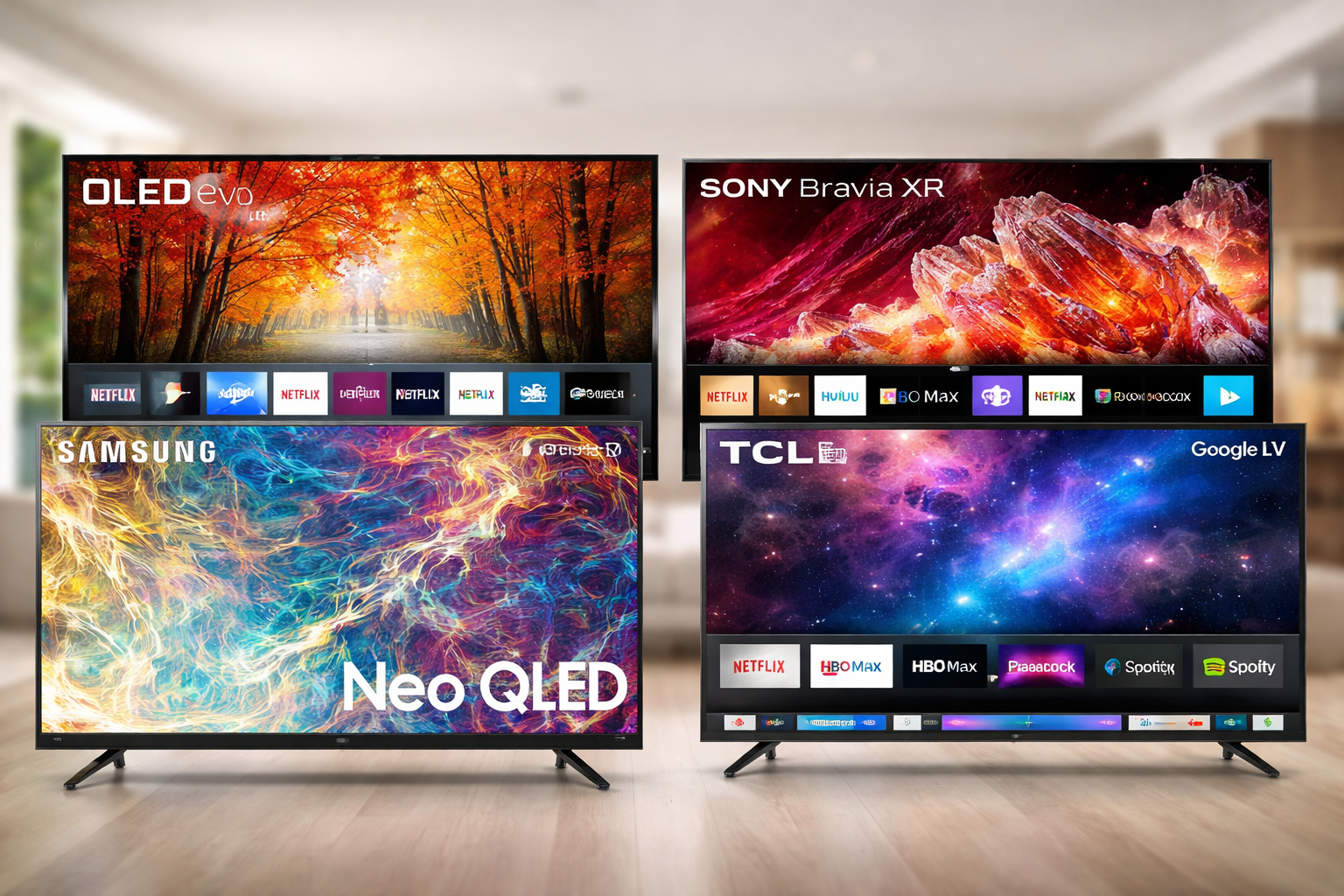
Smart TVs have become an essential part of modern households, delivering a powerful mix of high-quality visuals, intelligent features, and seamless access to countless streaming services. As display technologies and AI-based enhancements continue to evolve rapidly, selecting the right Smart TV can feel confusing for many buyers. In this guide, TvOttGuideStreamBlogs.com reviews and compares some of the leading Smart TVs of 2026, examining aspects such as picture clarity, operating platforms, audio capabilities, and overall value for money.
Key Factors to Consider When Choosing a Smart TV
Before exploring the top models, it is useful to understand the features that define a great Smart TV. Below are some of the most important factors to evaluate in 2026:
- Display Technology: Modern televisions use technologies such as OLED, QLED, Mini-LED, and the emerging MicroLED. Each offers different strengths in brightness levels, contrast depth, and color accuracy.
- Operating System: Smart TVs operate on platforms including Android TV, Google TV, Tizen, and webOS. Every system provides a slightly different interface, app ecosystem, and user experience.
- Connectivity & Smart Capabilities: For a future-ready TV, consider features like HDMI 2.1 ports, Wi-Fi 6 connectivity, voice assistant compatibility, smart home integration, and support for cloud gaming services.
- Sound Performance: Many premium TVs now include built-in Dolby Atmos technology and enhanced speaker systems, producing immersive audio that can compete with entry-level soundbars.
The Best Smart TVs of 2026
1. Samsung QN900D Neo QLED 8K TV
Display: Neo QLED with Quantum Dot and Mini-LED backlighting · Resolution: 8K UHD · Operating System: Tizen OS
Features: AI-driven upscaling technology, 120Hz refresh rate, SmartThings hub integration, HDMI 2.1 connectivity.
Pros: Exceptional brightness levels, impressive contrast, smooth gaming performance, and powerful smart features.
Cons: Premium price point and limited availability of native 8K content.
2. LG Z3 OLED 8K TV
Display: OLED with self-illuminating pixel technology · Resolution: 8K UHD · Operating System: webOS 25
Features: Dolby Vision IQ, AI Picture Pro enhancement, Game Optimizer mode, and cloud gaming compatibility.
Pros: Perfect black levels, outstanding color precision, and an ultra-thin premium design.
Cons: Potential OLED burn-in risk (minimal with normal usage) and a relatively high cost.
3. Sony A95L QD-OLED TV
Display: Quantum Dot OLED (QD-OLED) · Resolution: 4K UHD · Operating System: Google TV
Features: Cognitive Processor XR, Dolby Vision HDR support, HDMI 2.1 ports, and optimized performance for PlayStation 5.
Pros: Exceptional HDR visuals, remarkable color vibrancy, excellent gaming experience, and superior motion handling.
Cons: Higher price compared to standard OLED televisions.
4. TCL X11G Mini-LED TV
Display: Mini-LED panel with 2304 local dimming zones · Resolution: 4K UHD · Operating System: Google TV
Features: 144Hz refresh rate, HDR10+ compatibility, Dolby Atmos audio, and AI-powered image optimization.
Pros: Extremely bright display, strong gaming capabilities, and a more affordable alternative to OLED models.
Cons: Minor blooming effects in darker scenes and less deep black levels compared to OLED technology.
5. Hisense U9K ULED X
Display: ULED Mini-LED technology · Resolution: 4K UHD · Operating System: Google TV
Features: 144Hz refresh rate, Variable Refresh Rate (VRR), and IMAX Enhanced certification.
Pros: Excellent price-to-performance ratio, powerful HDR brightness, and reliable gaming performance.
Cons: Image processing is slightly less refined than premium OLED competitors.
Comparing the Best Smart TVs by Category
Best for Gaming — Winner: Sony A95L QD-OLED — designed for PlayStation 5 with HDMI 2.1 and VRR support. Runner-Up: TCL X11G Mini-LED — offers a 144Hz refresh rate with strong HDR10+ compatibility.
Best for Picture Quality — Winner: LG Z3 OLED — delivers perfect blacks and extraordinary contrast levels. Runner-Up: Sony A95L QD-OLED — impressive color brightness and exceptional detail.
Best for Streaming & Smart Features — Winner: Samsung QN900D Neo QLED — powered by Tizen OS with SmartThings smart home integration. Runner-Up: Hisense U9K ULED X — Google TV platform with a wide range of supported apps.
The Future of Smart TVs
As television technology continues to progress, Smart TVs are becoming more intelligent, immersive, and interconnected. Several exciting innovations are shaping the future of the industry:
- AI-Enhanced Image Processing: Advanced AI algorithms that automatically adjust brightness, color, and clarity in real time.
- Greater 8K Availability: Increasing access to native 8K content along with improved AI upscaling for lower-resolution media.
- Advanced Smart Home Integration: Televisions acting as central hubs to control connected home devices.
- Next-Generation Displays: Emerging technologies such as MicroLED, transparent OLED panels, and rollable screens redefining the viewing experience.
Conclusion
Selecting the ideal Smart TV in 2026 ultimately depends on your viewing preferences — whether you prioritize cinematic movies, high-performance gaming, or everyday streaming. OLED televisions still lead the market with unmatched picture quality, while Mini-LED and QLED models provide excellent performance at more competitive prices.
The future of Smart TVs looks incredibly promising, with smarter processors, immersive audio technologies, and deeper integration with streaming services and smart home ecosystems.
Stay informed about the latest technology trends and product reviews exclusively on TvOttGuideStreamBlogs.com — your trusted source for everything related to streaming and entertainment.
Back to All Articles